
Around the World in 80 Dishes and a few disasters
RRP: $5.99

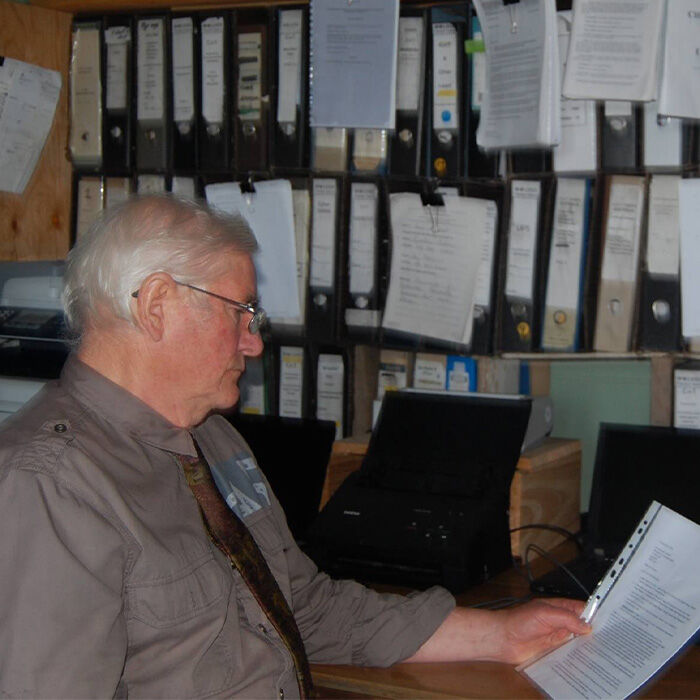
Author Bio
Alan Smith is a small business owner whose dream of running the Cape Bridgewater Holiday Camp turned into an unexpected fight for justice. Soon after purchasing the property in 1988, he discovered persistent telephone faults that crippled his ability to take bookings, communicate with suppliers, and run a viable business. Telstra repeatedly dismissed the issues with the hollow phrase, “No fault found,” leaving Alan and fellow small business operators — later known as the COT Four — battling a system determined to silence them.
As the group uncovered withheld documents, intercepted communications, and a deeply flawed government-endorsed arbitration process, it became clear their struggle was about far more than faulty phone lines. It exposed a pattern of corporate denial and institutional complicity that impacted 21 Australian businesses.
Today, Alan writes to shine a light on this buried chapter in Australia’s telecommunications history and to give voice to those harmed by unchecked corporate power.
Introduction:
⚓ Life at Sea: The Truth Behind the Romance
Cinematic, sharpened, storm‑lit
I went to sea with my head full of foolish dreams. I pictured moonlit beaches, palm trees whispering in the breeze, and rugged sailors roaring sea shanties with half their teeth missing and twice the charm. I thought I was stepping into a grand adventure—sun‑kissed, heroic, maybe even a little poetic.
What I got instead was a galley the size of a coffin and a crew of demanding characters who could have run the Royal Opera House with their caprices.
My first voyage cured me of romance faster than a bucket of cold seawater down the back. The sea didn't care about my daydreams. It heaved, rolled, and slapped the hull as if it wanted us gone. Inside that steel box, I was juggling pots, pans, and personalities that made the weather look tame.
There I was, a greenhorn seaman, elbow‑deep in garlic and chaos, cooking for a group of West Indians. They'd knuckle‑fight daily for sport, then share a cigarette with the same bloke they'd bloodied an hour earlier. Their loyalty was fierce, their tempers volcanic, and their humour sharper than any blade they carried.
And then there were the divas—both in the galley and the passenger salons. These divas could challenge the West Indian lads with a knife if provoked, or soothe them with a shanty sung soft as rum. My cabin mate was an Asian steward, part of the British crew. At the start of a five‑ or six‑month voyage, we were strangers. By the time we hunted for another ship, we were brothers. The kind who'd stand between you and a swinging bottle without thinking twice.
Imagine experiencing just one of those moments in your lifetime. I lived them daily. It was chaos. It was madness. It was magic.
But the sea toughens you. Between the tantrums, the rolling decks, and the pots that skidded across the stove every time the ship lurched, I learned to survive. I learned to chop onions fast enough to hide the tears. I learned to brace my legs against the swell while stirring a pot big enough to drown in. And I learned that sometimes the greatest adventures happen in the places you least expect—like a galley that smelled of onions, diesel, and desperation.
⚓ The 1960s–80s: A Different World Entirely
Back then, life at sea was raw, unforgiving, and utterly without mercy. You learned fast or you didn't last. A long‑neck brandy bottle became my closest ally. Admirers, chancers, and troublemakers sometimes mistook a steward's uniform for an invitation. It wasn't.
The truth most people never hear is this: some of the finest seafarers I ever sailed with were the roughest, toughest, most loyal men alive. When trouble brewed—whether in a bar ashore or on a dark deck at sea—they were the ones you wanted beside you.
Cross any of our crew, and you'd better be ready for flying fists, flying chairs, and the kind of teamwork forged only in storms.
⚓ Europe, Nightclubs, and the Brotherhood of the Sea
After running from New Zealand to Europe—our holds packed with butter and wool—we'd step ashore in Hamburg, Bremerhaven, Rotterdam, Dunkirk, Antwerp, and London. The nights were wild. Music spilled from taverns. Laughter rolled across cobblestones. And my shipmates lit up every bar we entered.
They played pianos, strummed guitars, sang like angels or devils depending on the hour, and earned us free beer with their performances. They made the loneliness bearable. They made the world feel less cold.
⚓ The Harshness No One Talks About
But life at sea wasn’t all music and mischief.
There were nights when the wind screamed like a living thing, and the ship rolled so violently you had to lash yourself to the rail to stay aboard. I remember standing in a gale, a rope looped over and under my wrist, hauling in a heaving line with another crewman. I was the cook—but at sea, titles mean nothing when the ocean decides to test you.
That's the truth of it: at sea, you are a team, or you are nothing.
On one ship alone, we had two Irishmen, two West Africans, two Dutchmen, four British trawlermen, a Welshman, a Chinese man, and two Romanians. It didn't matter. Not one bit. When the sea rose, we rose together.
⚓ Dockside Lessons: No Place for the Faint‑Hearted
Life ashore in the 1960s was no gentler. Ports were alive with noise—seagulls screaming, winches clattering, ships groaning under their loads. And the bars along the waterfront were battlegrounds disguised as taverns.
One night, in a smoky, rowdy bar, a young lad barely out of childhood found himself cornered by a local brute who enjoyed breaking in newcomers. There were no "Mr Nice Guys" in those places. You either stood your ground or you were trampled.
A seasoned sailor stepped in. The air thickened. Trouble came fast. And by the end of it, twenty‑six stitches were needed to close the night's lesson.
That was the waterfront: raw, unforgiving, and honest in a way the world rarely is now.
⚓ What the Sea Really Taught Me
Life aboard those ships was a balancing act between laughter and hardship. Between the madness of the galley and the terror of a storm. Between loneliness and the fierce brotherhood only sailors understand.
It taught me that respect is earned, not assumed. That difference is strength, not weakness. And that the sea—like life—doesn't care who you are, only how you stand your ground.
The sea never forgave weakness. It watched for it. Hunted it. You could feel it in the way the wind shifted before a storm, or how the swell thickened under the keel like something rising from below. Old sailors said the ocean had moods—dark ones—and when it turned against you, no prayer, no captain, no engine on earth could bargain with it.
I remember standing alone on the aft deck one night, the sky split open by lightning, the sea boiling white beneath it. The ship shuddered with every impact, steel groaning like a wounded animal. Spray hit my face so hard it felt like gravel. Somewhere in the chaos, a loose drum broke free and thundered across the deck, smashing into the rail with a force that could have taken a man's legs clean off. That was the kind of danger you didn't read about in books. It didn't arrive with drama—it arrived with speed.
Below deck, the men spoke in low voices, not out of fear, but respect. They knew the sea had claimed better sailors than us. They knew that every voyage was a negotiation with something older, colder, and far more powerful than any of us.
And yet we sailed anyway.
Because the sea, for all its cruelty, offered something no land ever could: a place where a man was stripped to his bones, tested, tempered, and—if he was lucky—returned to shore carrying stories carved from salt and survival.
It’s life at sea.